How mouse skates influence glide and comfort on glass gaming surfaces
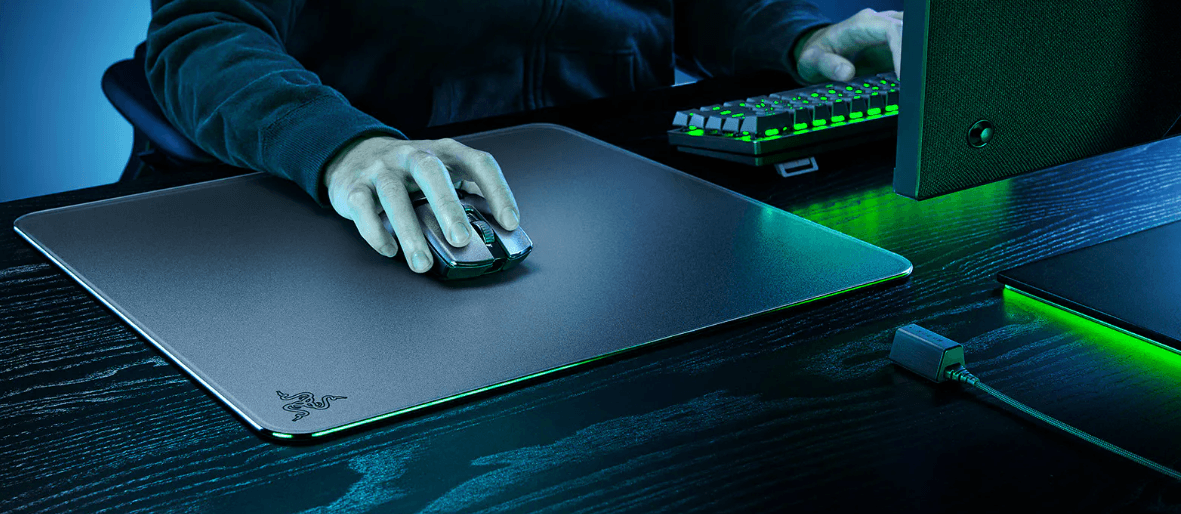
The performance and comfort of your gaming mouse depend significantly on the mouse skates you use. Mouse skates—sometimes referred to as mouse feet—are small pads attached to the underside of your mouse. Their material and design influence how smoothly, quietly, and effortlessly your mouse glides, especially on hard surfaces like glass gaming pads. The choice of skates not only affects movement speed but also determines the tactile feedback and sound with each motion, both of which can impact precision and comfort during extended play. This article explores how mouse skates influence your experience, what factors to consider when selecting them, and how you can optimize your setup for your specific preferences.
Why mouse skates matter for glass pads
Glass gaming pads provide an ultra-smooth, hard surface where even subtle differences in skate materials become noticeable. On glass, changes in friction or the composition of the skates can affect both the speed and control of your mouse movements. The goal is not simply to increase speed but to achieve a consistent and predictable glide that supports precise aiming during rapid gameplay.
Mouse skates are commonly made from materials like PTFE (a low-friction plastic) or UHMW-PE (noted for its durability). These compounds help reduce drag while keeping the mouse sensor at an optimal distance from the surface. On glass pads, using skates specifically designed for quiet operation and long-term reliability can make a difference in both comfort and overall performance.
How to choose the right mouse skates for precision
Choosing suitable mouse skates depends largely on your personal preference and play style. PTFE skates are often chosen for their exceptionally smooth, fast glide, making them a good fit for those seeking effortless movement. If you prioritize longevity and a consistent feel over time—especially on hard surfaces like glass—UHMW-PE may be preferable.
Some skate designs incorporate foam layers beneath the outer material to dampen noise and absorb vibrations. This construction can create a quieter gaming environment while softening the tactile response of each movement. For options developed with high-speed precision in mind, consider resources like mouse skates for precision gaming, which showcase products combining these features.
See also: Herbal or Pharmaceutical: What Should You Opt for to Treat Back Pain?
Real-world benefits of upgraded skates with glass pads
Switching out your mouse skates can quickly change the overall feel of your setup—sometimes even more so than changing the mouse or pad itself. On a glass surface, opting for quality dot-style or multi-layer polymer skates can minimize scraping noises and deliver a smoother glide while maintaining responsive, controlled movement. This adjustment may help reduce strain during long sessions by making each motion less taxing.
Users often observe more consistent tracking after updating their skates, as proper clearance between the sensor and surface supports accurate detection. A quieter, smoother glide can also enhance comfort, helping players maintain focus during competitive matches or practice routines. Upgrading your mouse skates offers a straightforward way to fine-tune both comfort and control on contemporary hard surfaces without requiring major changes to your equipment.