Common Electrical Issues Homeowners Face and How an Electrician Can Help
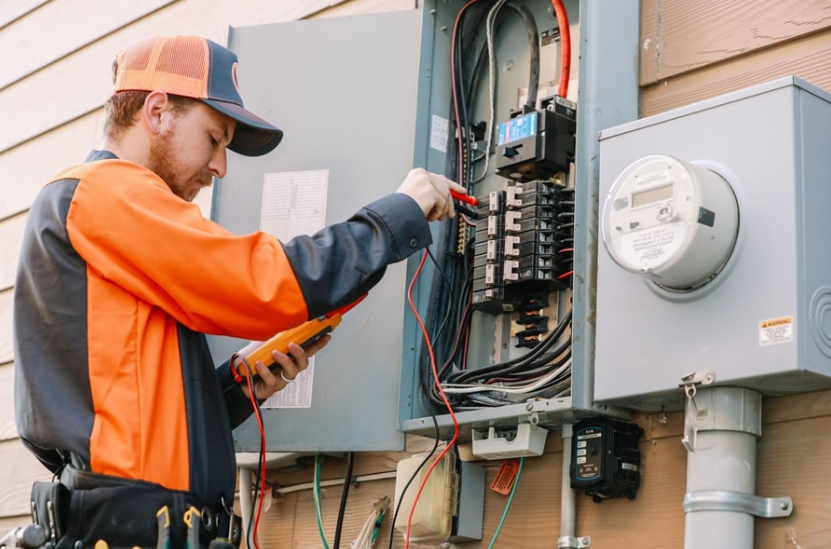
The modern home relies heavily on electricity, powering everything from our morning coffee to our evening entertainment. While we often take our electrical systems for granted, they are complex networks that can develop issues over time. Ignoring these problems can lead to inconvenience, property damage, or even serious safety hazards. Understanding common electrical issues and knowing when to call a professional is crucial for every homeowner.
In this guest post, we’ll delve into some of the most frequent electrical problems encountered in homes today, provide insights into why they occur, and highlight the invaluable role a qualified professional plays in resolving them safely and efficiently.
Flickering Lights: More Than Just a Nuisance
Few things are as unsettling as lights that flicker on and off, or dim unexpectedly. While an occasional flicker might be due to a loose bulb, persistent flickering often signals a more significant underlying issue.
Potential Causes:
- Loose Wiring: This is a common culprit. Connections can loosen over time due to expansion and contraction, leading to intermittent contact.
- Overloaded Circuits: If too many high-power appliances are plugged into a single circuit, it can draw more current than the circuit is designed to handle, leading to voltage fluctuations and flickering.
- Faulty Appliances: A defective appliance can sometimes draw inconsistent power, affecting other devices on the same circuit.
- Aging Electrical Panels: Older panels may not be able to distribute power efficiently, especially in homes with increased electrical demands.
- Problems with the Utility Grid: Less commonly, issues with the main power supply from your utility company can cause widespread flickering.
When to Call for Help: If flickering lights are frequent, affect multiple fixtures, or are accompanied by buzzing sounds or burning smells, it’s time to contact a licensed electrician. They can diagnose the root cause, whether it’s a simple loose connection or a more complex panel upgrade requirement.
Tripping Breakers: A Safety Mechanism in Action
Circuit breakers are designed to protect your home’s electrical system from damage caused by overcurrents or short circuits. When a breaker “trips,” it’s doing its job by cutting off power to a specific circuit to prevent overheating and potential fires.
Common Reasons for Tripped Breakers:
- Circuit Overload: This is the most frequent reason. Plugging in too many high-wattage appliances (like hair dryers, toasters, and space heaters) into one circuit can exceed its capacity.
- Short Circuits: A short circuit occurs when a “hot” wire touches a “neutral” wire, creating a path of very low resistance. This causes a sudden surge in current, which immediately trips the breaker. Damaged appliance cords or faulty wiring are common causes.
- Ground Faults: Similar to a short circuit, a ground fault occurs when a “hot” wire touches a ground wire or a grounded part of the electrical system. This is particularly dangerous in areas near water, which is why GFCI (Ground Fault Circuit Interrupter) outlets are mandated in kitchens, bathrooms, and outdoor spaces.
Actionable Tip: If a breaker trips, try unplugging some devices from that circuit before resetting it. If it trips again immediately, or if tripping is a recurring problem, it indicates a more serious issue that requires the expertise of a licensed electrician. They can identify overloaded circuits, repair faulty wiring, or replace a failing breaker.
Outdated Wiring: A Hidden Hazard
Many older homes, particularly those built before the 1970s, may still have outdated wiring systems like knob-and-tube or aluminum wiring. While these systems were once standard, they pose significant risks by today’s safety standards.
Risks Associated with Outdated Wiring:
- Fire Hazard: Knob-and-tube wiring, often insulated with cloth and rubber, can become brittle and exposed over time, increasing fire risk. Aluminum wiring, common in the 1960s and 70s, expands and contracts more than copper, leading to loose connections and overheating at outlets and switches.
- Inadequate Grounding: Older systems often lack a ground wire, which is a critical safety feature that provides a path for fault current to safely dissipate, preventing shocks and protecting appliances.
- Insufficient Capacity: Modern homes have far greater electrical demands than homes built decades ago. Outdated wiring may not be able to handle the load, leading to frequent tripped breakers and potential overheating.
The Professional Solution: If you live in an older home and suspect outdated wiring, it’s highly recommended to have a professional electrical inspection. A licensed electrician can assess your current system, identify potential hazards, and provide recommendations for upgrades or full rewiring to ensure your home meets current safety codes and can handle your electrical needs.
See also: Data Security for HK: Evaluating WhatsApp Web and Telegram Download
Non-Functioning Outlets and Switches: A Sign of Deeper Trouble
An outlet that doesn’t work or a switch that fails to control a light might seem like a minor annoyance, but it can be a symptom of various electrical problems.
Possible Causes:
- Loose Connections: Wires can become loose behind the outlet or switch, interrupting the flow of power.
- Faulty Outlet/Switch: Over time, these components can wear out or become damaged.
- Tripped GFCI/AFCI Breaker: If the non-functioning outlet is part of a GFCI (Ground Fault Circuit Interrupter) or AFCI (Arc Fault Circuit Interrupter) protected circuit, the associated breaker might have tripped to prevent a shock or fire.
- Wiring Damage: Rodent damage, nails, or screws accidentally piercing wires can lead to open circuits.
When to Seek Expertise: While replacing an outlet or switch might seem like a DIY task, if the problem persists after replacement, or if multiple outlets/switches are affected, it’s best to call a professional. A licensed electrician can safely troubleshoot the circuit, identify damaged wiring, and ensure proper installation to prevent future issues.
Conclusion: Prioritizing Electrical Safety
Electrical issues, no matter how minor they seem, should never be ignored. They can escalate quickly from inconvenient to dangerous. From flickering lights and tripped breakers to outdated wiring and non-functioning outlets, understanding the signs and knowing when to call for professional help is paramount. A qualified professional possesses the knowledge, tools, and experience to accurately diagnose problems, perform repairs safely, and ensure your home’s electrical system is up to code and operating efficiently. Investing in professional electrical services is an investment in your home’s safety and your peace of mind.