5G Networks: What’s Next for Global Connectivity?
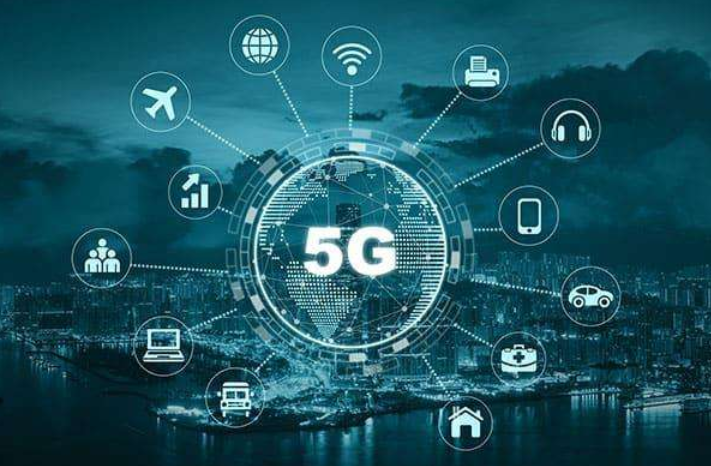
5G networks represent a significant leap in global connectivity, offering enhanced speed, capacity, and low latency. These advancements promise to integrate smart technologies and the Internet of Things seamlessly. However, the deployment of 5G is not without its challenges. Regulatory hurdles and funding issues could determine the pace of its adoption. As these factors unfold, the implications for industries and society at large remain to be fully understood. What lies ahead in this evolving landscape?
The Future of Speed and Capacity
As 5G networks continue to evolve, their potential to significantly enhance speed and capacity is becoming increasingly evident.
These advancements promise remarkable speed enhancements, enabling quicker data transmission and lower latency.
Simultaneously, capacity expansion allows for greater connectivity among devices, facilitating the Internet of Things.
The implications for user freedom and innovation are profound, paving the way for unprecedented opportunities across various sectors.
Innovations in Smart Technology
A plethora of innovations in smart technology are emerging, driven by the capabilities of 5G networks.
Enhanced connectivity facilitates seamless IoT integration, allowing smart devices to communicate more efficiently and effectively.
This evolution enables real-time data processing and enhances user experiences, fostering a new era of automation and intelligence in everyday life.
Ultimately, these advancements promise greater freedom and autonomy for consumers.
See also: How Technology Is Enabling Smart Agriculture Practices
Overcoming Challenges in Deployment
The rapid advancements in smart technology, fueled by 5G capabilities, also highlight the significant challenges associated with the deployment of these networks.
Regulatory hurdles often impede progress, complicating the necessary infrastructure investment. Stakeholders must navigate complex policies while ensuring adequate funding and resources.
Addressing these challenges is essential for unlocking 5G’s full potential and fostering a robust, interconnected global landscape.
The Societal Impact of 5G Connectivity
While the rollout of 5G networks promises to revolutionize communication, its societal impact extends far beyond enhanced connectivity.
This advanced technology may exacerbate the digital divide, leaving marginalized communities further behind.
Conversely, 5G has the potential to improve public health through enhanced telemedicine and real-time data sharing.
Ultimately, its effects will shape societal structures, necessitating careful consideration of equity and accessibility.
Conclusion
In the grand tapestry of global connectivity, 5G networks emerge as the shimmering threads weaving together an unprecedented era of speed and efficiency. With the potential to transform industries into hyper-automated powerhouses, the digital divide looms as a gargantuan shadow, threatening equitable access. As society stands on the precipice of this technological renaissance, the challenges of deployment become mere stepping stones, propelling humanity toward a future where connectivity transcends boundaries, igniting innovation and reshaping the very fabric of daily life.