How to Improve Construction Scheduling Efficiency with Digital Tools
Introduction
Construction project management has always been one of the most complex and dynamic aspects of the building industry. Managing timelines, coordinating contractors, tracking resources, and ensuring compliance with regulations are daily challenges for any project manager. In today’s competitive environment, more companies are relying on modern construction scheduling software.to plan projects efficiently, minimize delays, and ensure smooth communication between all stakeholders.
Traditionally, these tasks relied heavily on spreadsheets, paper schedules, and long meetings. But modern construction environments demand more agility, precision, and collaboration than ever before. Digital tools are transforming how construction professionals plan, communicate, and execute their projects. From project scheduling to on-site collaboration, modern software solutions make it possible to manage construction workflows more efficiently and transparently.
1. The Importance of Efficient Construction Scheduling
Construction scheduling isn’t just about setting dates. It’s about aligning multiple moving parts — materials, labor, equipment, permits, and inspections — into a cohesive and achievable timeline. Poor scheduling can lead to costly delays, resource conflicts, and communication breakdowns.
An efficient schedule provides:
Clarity: Everyone knows what needs to happen and when.
Accountability: Responsibilities are clearly assigned.
Predictability: Teams can anticipate issues and plan contingencies.
Optimization: Resources are allocated effectively, avoiding waste or downtime.
When managed properly, scheduling becomes a key driver of profitability and client satisfaction. And that’s where digital project management software plays a crucial role.
2. The Limitations of Traditional Scheduling Methods
Despite technological advances, many construction firms still rely on manual methods — spreadsheets, whiteboards, or paper Gantt charts. While familiar, these methods have several limitations:
Lack of real-time updates: When one change occurs, the entire plan must be updated manually.
Poor communication: Team members may not always have access to the latest version of the schedule.
Limited visibility: Project managers can’t easily track dependencies or forecast potential delays.
Increased risk of errors: Manual data entry increases the chance of oversight or miscommunication.
As projects grow in complexity, these issues compound, leading to frustration, rework, and profit loss. That’s why more construction professionals are turning toward integrated digital tools to modernize their scheduling workflows.
3. How Digital Tools Improve Construction Scheduling
Modern construction management platforms provide a range of features that address traditional challenges. Here are some of the main benefits of adopting digital scheduling tools:
a. Real-Time Collaboration
Cloud-based software enables all stakeholders — architects, contractors, engineers, and clients — to access the same up-to-date schedule anytime, anywhere. Changes are visible immediately, ensuring transparency and eliminating confusion.
b. Visual Scheduling Interfaces
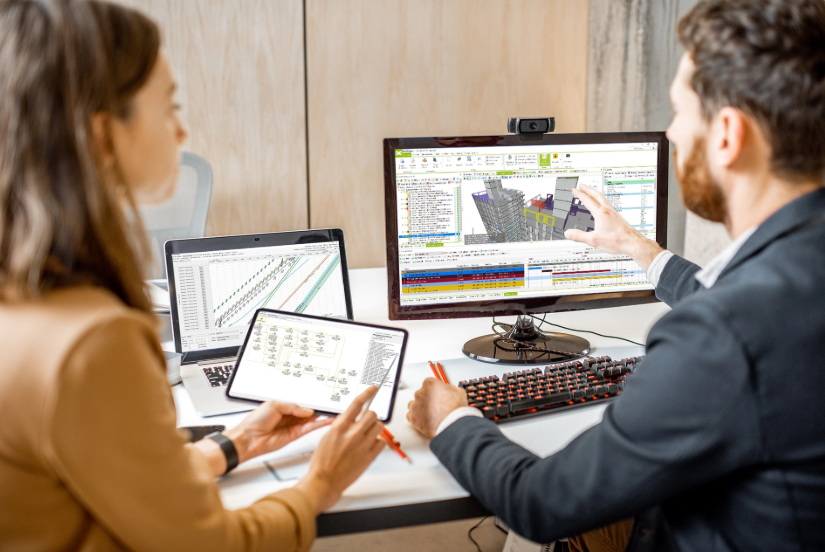
Tools that use drag-and-drop Gantt charts make it easy to adjust timelines, dependencies, and milestones visually. Project managers can quickly identify bottlenecks and allocate resources efficiently.
c. Automatic Notifications and Alerts
With built-in notifications, team members are instantly informed when a task is updated or delayed. This keeps everyone aligned without the need for constant meetings or phone calls.
d. Resource Management Integration
Advanced scheduling software integrates with resource planning modules. This ensures that the right people, equipment, and materials are available exactly when needed.
e. Analytics and Reporting
Digital platforms can generate progress reports and performance analytics, helping managers make data-driven decisions to improve future projects.
See also: 10 Groundbreaking Technologies to Watch in 2025
4. Using Construction Scheduling Software Effectively
While technology can significantly improve project outcomes, success also depends on how it’s implemented. Here are several practical tips for using construction scheduling software effectively:
Define Clear Objectives: Before adopting new software, clarify your scheduling goals — reduced delays, better collaboration, or improved reporting.
Involve the Entire Team: Ensure that every team member understands how to use the tool and why it’s valuable.
Keep Schedules Updated: Encourage regular updates to maintain real-time accuracy.
Use Templates: Many platforms offer templates for common project types, which can save setup time.
Integrate Other Systems: Combine your scheduling software with accounting, document management, or communication tools for a seamless workflow.
Review and Optimize: After each project, analyze your scheduling performance to find areas for improvement.
A well-implemented scheduling system doesn’t just organize work — it builds trust, accountability, and efficiency across your entire project team.
5. The Role of Bauzeitenplan Software in Modern Construction
One standout example of digital scheduling innovation is Flexxter’s Bauzeitenplan Software, designed to simplify and streamline construction project management for companies in Germany.
The software allows users to:
Create detailed construction timelines with just a few clicks.
Visualize dependencies between different trades or project phases.
Adjust plans dynamically as changes occur on-site.
Share schedules instantly with partners, subcontractors, and clients.
Track project progress in real time.
Unlike traditional methods, this solution empowers construction managers to maintain complete control and flexibility over every aspect of their project schedules. By centralizing communication and documentation, it reduces administrative overhead while increasing transparency.
6. Key Benefits of Digital Scheduling for Construction Teams
Let’s take a closer look at some of the most impactful advantages digital scheduling tools bring to modern construction teams:
a. Reduced Delays
By identifying potential scheduling conflicts early, project managers can make proactive adjustments, minimizing downtime and ensuring timely delivery.
b. Better Cost Control
Accurate scheduling helps reduce overtime, rework, and idle time — all of which contribute to lower overall project costs.
c. Enhanced Collaboration
Since all stakeholders work from the same digital platform, communication gaps shrink dramatically. This fosters teamwork and mutual accountability.
d. Data-Driven Decision Making
Historical project data can reveal patterns, helping companies refine future schedules and improve productivity.
e. Compliance and Documentation
Many platforms offer automated logging and reporting features, making it easier to comply with contractual and legal requirements.
7. The Future of Construction Scheduling
The construction industry is moving rapidly toward digital transformation. In the near future, technologies like AI, BIM (Building Information Modeling), and IoT (Internet of Things) will further revolutionize scheduling and project management.
AI algorithms will predict potential delays before they occur.
BIM integration will connect 3D models directly to project timelines.
IoT sensors will provide real-time updates on equipment usage and material delivery.
Companies that invest in digital scheduling tools today are positioning themselves to take full advantage of these innovations tomorrow. They will be better equipped to compete in an increasingly data-driven and technology-driven construction landscape.
8. Tips for Choosing the Right Construction Scheduling Software
Selecting the right software can be challenging, given the wide range of available solutions. Here are a few tips to guide your decision:
Assess Your Needs: Determine which features are most important — collaboration, resource management, reporting, etc.
Check for Integration: Make sure the tool integrates smoothly with your existing systems (ERP, CRM, or communication tools).
Prioritize Ease of Use: A user-friendly interface increases adoption and minimizes training time.
Consider Scalability: Choose a platform that can grow with your company and handle multiple projects simultaneously.
Evaluate Support and Updates: Reliable customer support and regular software updates are vital for long-term success.
Solutions like Flexxter’s Bauzeitenplan Software offer a strong combination of functionality, simplicity, and adaptability, making them a great choice for companies looking to modernize their scheduling processes.
Conclusion
Efficient construction scheduling is the foundation of a successful project. As construction projects become more complex, traditional methods can no longer keep pace with the demands of modern workflows. Digital scheduling tools not only simplify project management but also empower teams to work smarter, faster, and more collaboratively.
Whether you manage small residential projects or large-scale infrastructure developments, adopting the right software can make all the difference. Tools like flexxter.com are leading the way in helping construction professionals across Germany plan, execute, and complete their projects more efficiently.