Why Infrared Thermography Inspection Is Essential for Predictive Maintenance Programs

Unexpected equipment failures can result in expensive downtime, production losses, and safety hazards in the context of industrial operations. Businesses are increasingly using predictive maintenance techniques, which rely on data-driven methods to foresee faults before they worsen, to lessen these concerns. Infrared thermography inspection is one of the most useful technologies among those that help this endeavor. Employing infrared cameras to identify heat changes in electrical systems and equipment gives businesses a non-invasive, very efficient way to spot irregularities early. Knowing why infrared thermography is crucial for predictive maintenance emphasizes not just its usefulness but also how it may increase productivity, security, and cost effectiveness.
Finding Hidden Issues Before They Get Worse
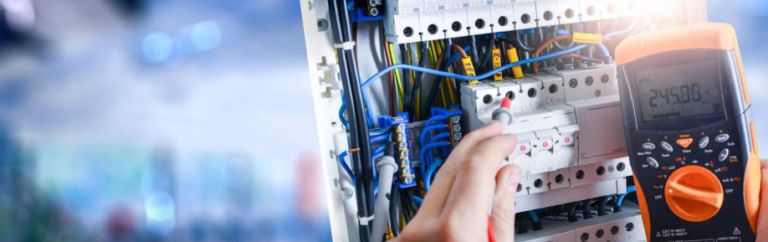
The capacity of infrared thermography inspection to detect problems that are invisible to the human eye is one of its main benefits. Unusual heat patterns can be produced by equipment, including motors, transformers, switchgear, and bearings, when parts are degrading or under a lot of stress. These heat anomalies are visible using infrared imaging, which enables technicians to identify issues such as overloaded circuits, bad connections, misalignments, or lubrication issues well in advance of failure. Early detection of these issues enables businesses to schedule focused maintenance tasks, averting expensive malfunctions and unscheduled downtime. This preventive strategy reduces the possibility of emergencies while ensuring that activities continue without hiccups.
See also: Blockchain and Smart Contracts: How They Work Together
Improving Industrial Environment Safety
In industrial settings, safety is always the top consideration, especially while handling large gear, pressurized equipment, and high-voltage systems. Because it enables inspectors to conduct assessments without coming into direct contact with potentially dangerous systems, infrared thermography is essential for reducing hazards. Instead of requiring shutdowns or exposing workers to hazardous situations, technicians can perform checks while the equipment is up and operating. For instance, recognizing electrical components that are overheating can help prevent fire dangers, and detecting mechanical systems that are overheated can help prevent catastrophic failures that could put workers in danger. In this sense, infrared thermography is not only a vital tool for increasing productivity but also for protecting assets and personnel.
Cutting Expenses With Focused Maintenance
Infrared thermography plays a major role in the cost savings that predictive maintenance programs aim to achieve by optimizing maintenance schedules and minimizing needless interventions. Conventional maintenance techniques frequently depend on set schedules or recurring shutdowns, which might result in missed failures or early part replacement. However, a reliable infrared thermography inspection offers accurate information about the true state of the equipment, allowing for focused interventions only where necessary. This strategy prolongs the life cycle of vital assets, saves labor costs, and uses fewer spare parts. By lowering repair costs and minimizing downtime, businesses that use thermographic inspections in their predictive maintenance program frequently experience a quantifiable return on investment.
Aiding with Documentation and Regulatory Compliance
Adherence to safety and dependability requirements is required in many businesses and is not voluntary. Inspection using infrared thermography facilitates compliance by offering unambiguous, visual proof of equipment conditions throughout time. To prove compliance with safety procedures and maintenance plans, thermal images and related reports can be saved, examined, and distributed to regulators or auditors. In addition to demonstrating regulatory compliance, this documented evidence is a useful tool for ongoing development. Organizations can improve overall system reliability and hone their predictive maintenance plans by monitoring heat trends and recurring problems.
Promoting Sustainability and Operational Efficiency
Preventing downtime is only one aspect of operational efficiency; other aspects include waste reduction and energy optimization. By locating energy loss sources like inadequate insulation, hot equipment, or ineffective electrical systems, infrared thermography helps achieve this objective. Reducing energy usage and improving performance are two benefits of fixing these inefficiencies, which are in line with the sustainability objectives that many businesses today place a high priority on. Businesses may improve productivity and promote environmental responsibility, which is becoming more and more important in today’s industrial landscape, by incorporating thermographic examinations into predictive maintenance.
Predictive maintenance programs have found that infrared thermography inspection is an essential component. It is a flexible and effective tool for contemporary industries because of its capacity to identify hidden flaws, increase efficiency, lower costs, improve safety, and promote compliance. By implementing this technology, businesses can adopt a predictive approach that guarantees long-term performance and dependability, replacing reactive or merely preventive maintenance strategies. In the end, infrared thermography serves as more than simply a diagnostic method; it is a calculated investment that keeps companies resilient, competitive, and sustainable in a challenging industrial setting.